Amazon's Quirky Horsehead Grasshoppers: Proscopiidae Family Thrives in South American Rainforests


Insect Information
Amazon's Quirky Horsehead Grasshoppers: Proscopiidae Family Thrives in South American Rainforests

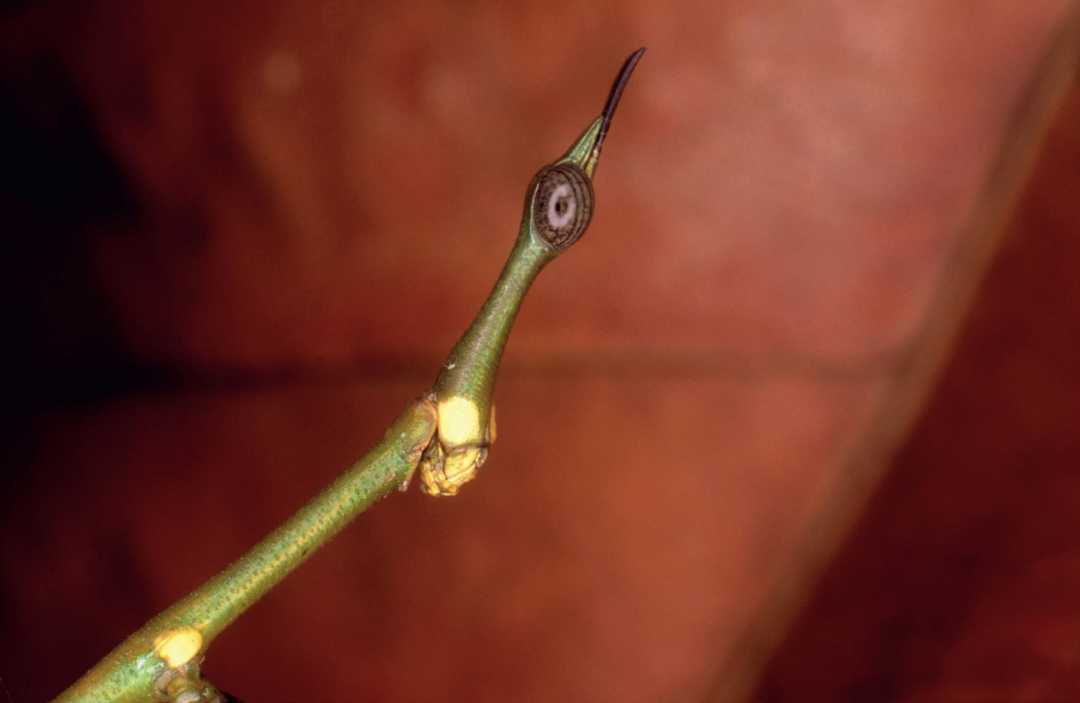
The Amazon region of South America serves as a haven for Proscopiidae, commonly known as horsehead grasshoppers. At first glance, these insects bear a striking resemblance to stick insects, with elongated bodies and spindly legs that help them blend into forest foliage. But their most distinctive feature is the bulbous, horse-like shape of their heads, giving them a comical appearance that evokes smiles—some even say their clear, beady eyes and awkward posture resemble beloved childhood classmates.

Horsehead grasshoppers belong to a family of orthopterans that have evolved unique morphological traits. Their head structure, while amusing, may serve as a form of camouflage or mimicry, confusing predators by breaking up their body outline. Like stick insects, they often remain motionless during the day, relying on their twig-like bodies to avoid detection. At night, they become more active, feeding on leaves and plant matter while showcasing their quirky gait and endearing "facial expressions."


In the dense Amazonian rainforests, these grasshoppers play a subtle role in the ecosystem, serving as prey for small reptiles and birds while contributing to plant pollination and decomposition. Their whimsical appearance has endeared them to entomologists and nature enthusiasts alike, who marvel at how evolution can produce such playful designs. For anyone lucky enough to spot a horsehead grasshopper in the wild, the encounter is a reminder that the Amazon’s biodiversity includes not just majestic giants, but also charming, oddball creatures that spark joy with their comical looks.
Latest Stories
Feline News1 minute readThe Cheetoh cat, a relatively new and increasingly popular feline breed, has been turning heads in the pet world with its striking appearance and engaging personality. Developed in the early 2000s through the intentional crossbreeding of Bengal cats and Ocicats, the Cheetoh was crafted to combine the exotic spotted coat of wild felines with the gentle temperament of domesticated breeds.
Cultural News1 minute readOn March 17 each year, Chicago’s Chicago River is dyed green to celebrate St. Patrick’s Day, while New York’s Fifth Avenue hosts grand parades. People worldwide don green clothing, shoes, bags, or hats—all part of the festive tradition.
Beauty News2 minute readRome-based amateur model Sofia Romano, 28, takes center stage in Issue 177, with a series of posed yet natural photos capturing her in the Eternal City’s everyday scenes. Shot by local photographer Marco Bellini, the collection features Romano in carefully crafted poses—on her apartment balcony draped with bougainvillea, outside a centuries-old bookstore, and amid the vibrant stalls of Campo de’ Fiori market—each frame blending intentionality with the city’s timeless charm.
Beauty News1 minute readVienna-based amateur model Lina Weiss, 30, stars in Issue 176 with a series of posed photos that blend everyday life with subtle styling. Shot by photographer Leo Braun, the collection captures Weiss in her favorite local spots—from her backyard garden to a historic bakery and her apartment’s kitchen—each pose carefully arranged to feel natural, not forced.
Social News1 minute readIn March 2019, to celebrate its 125th anniversary, New Orleans’ Roosevelt Hotel launched a unique promotion: a prize package worth $15,000, including seven nights in a presidential suite, a private dinner, and spa treatments. The catch? It was only awarded to whoever returned the "most outrageous item" ever stolen from the hotel.
Industry News1 minute readAmazon-owned live streaming platform Twitch is planning a full withdrawal from the Russian market, citing concerns over economic viability and mounting regulatory pressures, according to recent reports.
Feline News1 minute readAmidst the azure waters of Greece's Aegean archipelago, a feline species perfectly intertwined with the local landscape has emerged as both a natural and cultural icon—the Aegean cat. As Greece's only internationally recognized native cat breed, their history stretches back millennia, deeply intertwined with the fishing communities of the Cyclades Islands.