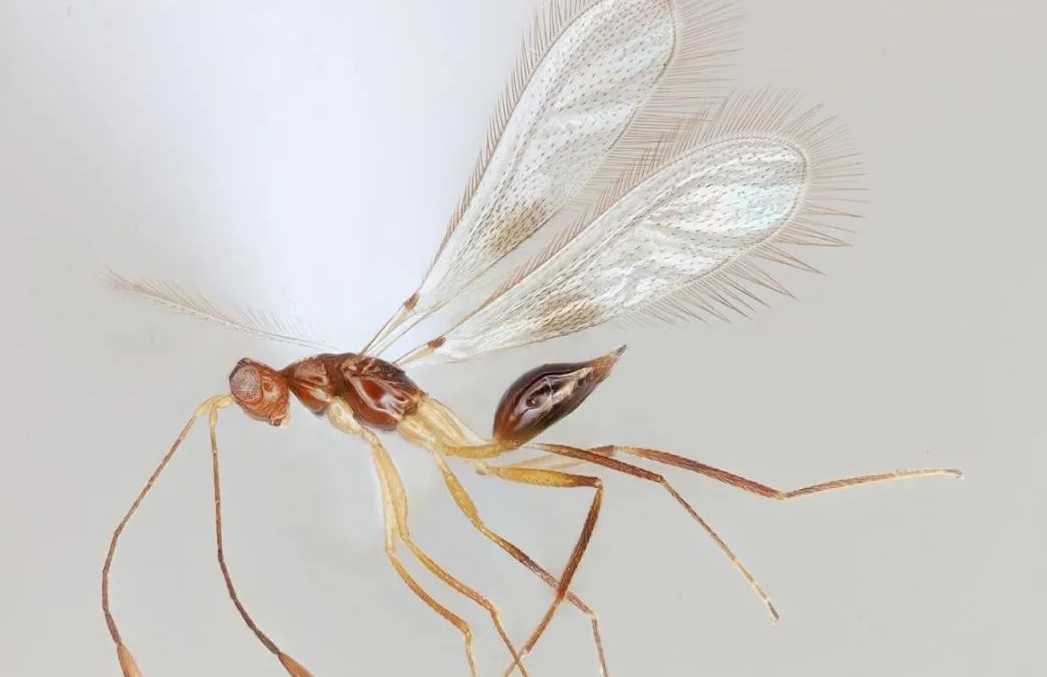
Fairyflies: The World's Tiniest Insects with a Mighty Role in Pest Control
Fairyflies, belonging to the family Mymaridae, hold the title of some of the smallest insects on Earth, measuring a mere 0.2 millimeters in length. These minuscule flyers, smaller than the eye can easily perceive, have evolved an extraordinary lifestyle as parasitic wasps, specializing in a unique ecological niche that benefits both nature and agriculture.
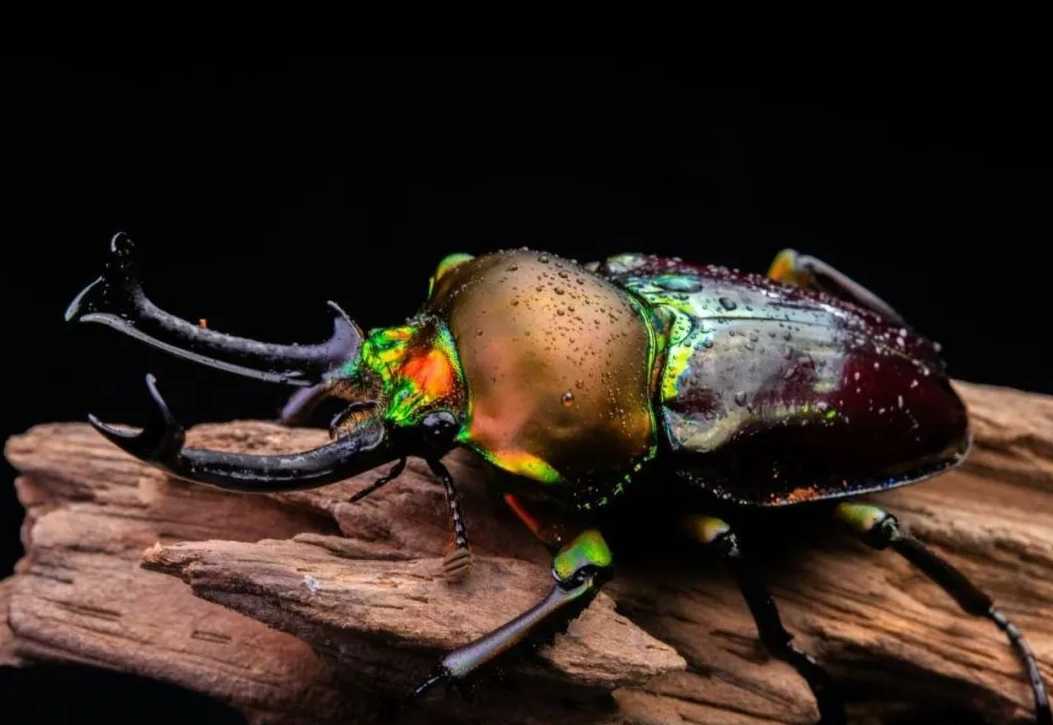
The Rainbow Stag Beetle (Phalacrognathus muelleri): Nature's Living Jewel
The rainbow stag beetle, Phalacrognathus muelleri, is a biological marvel renowned for its iridescent metallic hues that rival precious gems. Native to the forests of Australia and New Guinea, this coleopteran species has captivated entomologists and pet enthusiasts alike with its structural coloration—a phenomenon produced by microscopic wing surface ridges that refract light into a spectrum of blues, purples, golds, and greens.
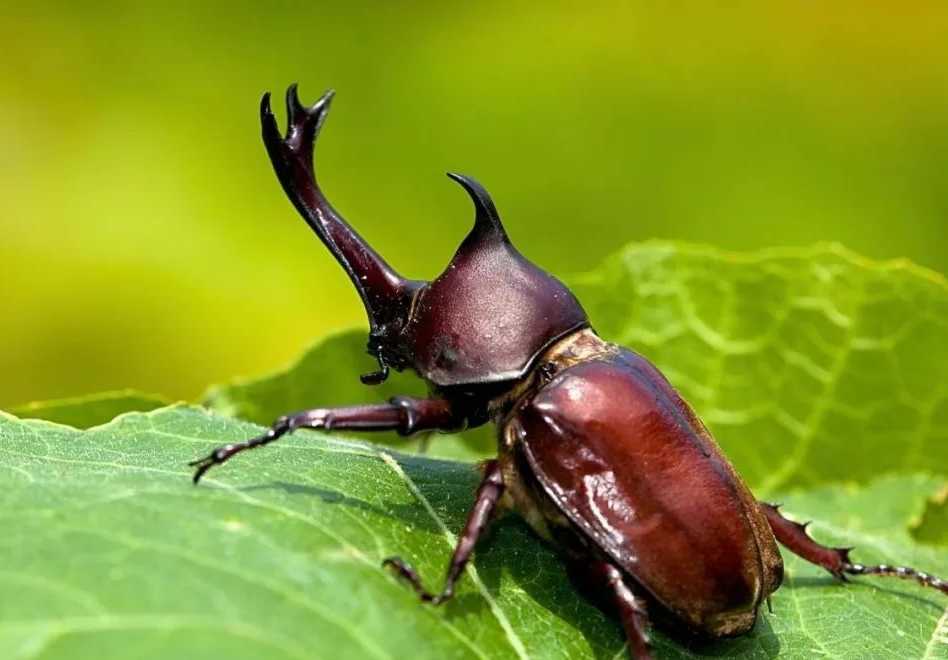
The Japanese Rhinoceros Beetle (Allomyrina dichotoma): A Horned Symbol of Strength and Nature's Engineer
The Japanese rhinoceros beetle, scientifically known as Allomyrina dichotoma, is an iconic insect revered for its distinctive Y-shaped horn and deep cultural significance in Japan. Measuring 3–5 centimeters in length, this scarab beetle captivates with its robust build and unique morphology, while its larval stage plays a crucial role in forest ecosystems as a decomposer.
"Blonde" Big - Wave Rats: A Marvel of Genetic Modification
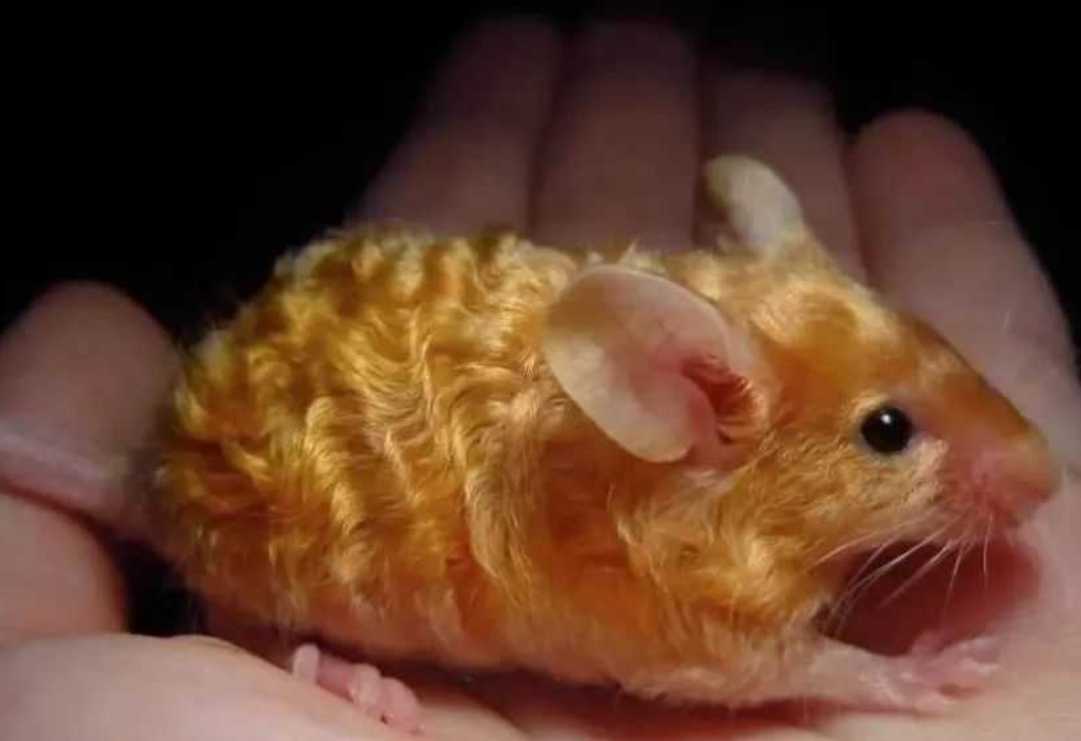
In a recent scientific breakthrough, researchers from MIT have successfully created "blonde" big - wave rats through genetic modification. This remarkable achievement builds on the work of nine different research groups from 1993 to 2015, each having identified genes related to hair changes in mice.
The Unusual Tree: Trees That Bloom Directly on the Trunk
In nature, there are some unique trees that bloom directly on their trunks, challenging the common perception of plant growth.

The "Human-Faced" Tiger Moth: A Mysterious Lepidopteran of Tropical Regions
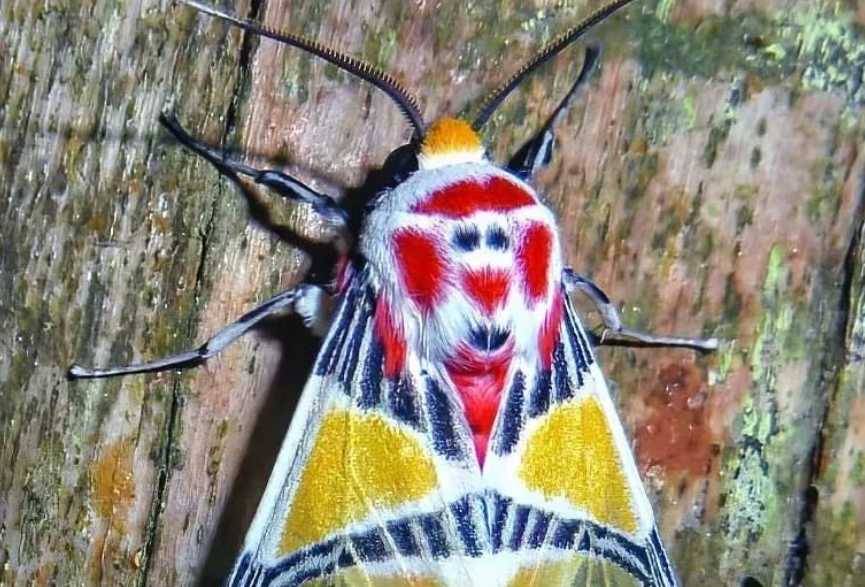
In the lush ecosystems of tropical and subtropical zones, a fascinating moth has evolved a 诡异 (bizarre) trait: distinct markings on its hindwings that resemble a human face. This tiger moth (subfamily Arctiinae) has captivated entomologists and nature enthusiasts alike for its uncanny mimicry, blending survival strategy with eerie aesthetic.
The Atlas Moth: Wings That Mimic Two Snake Heads
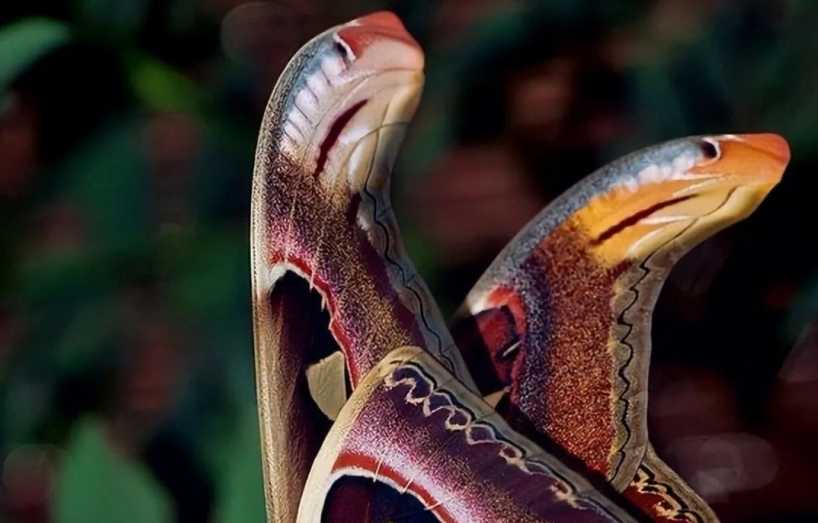
In the tropical forests of Asia, the Atlas moth (Attacus atlas) astounds with its massive wingspan—reaching up to 25 centimeters, roughly the size of an adult human palm. Yet its most remarkable trait lies in the dramatic patterns on its hindwings: two eye-like spots and serpentine shapes that uncannily resemble a pair of snake heads, a masterful evolutionary trick to deter predators.
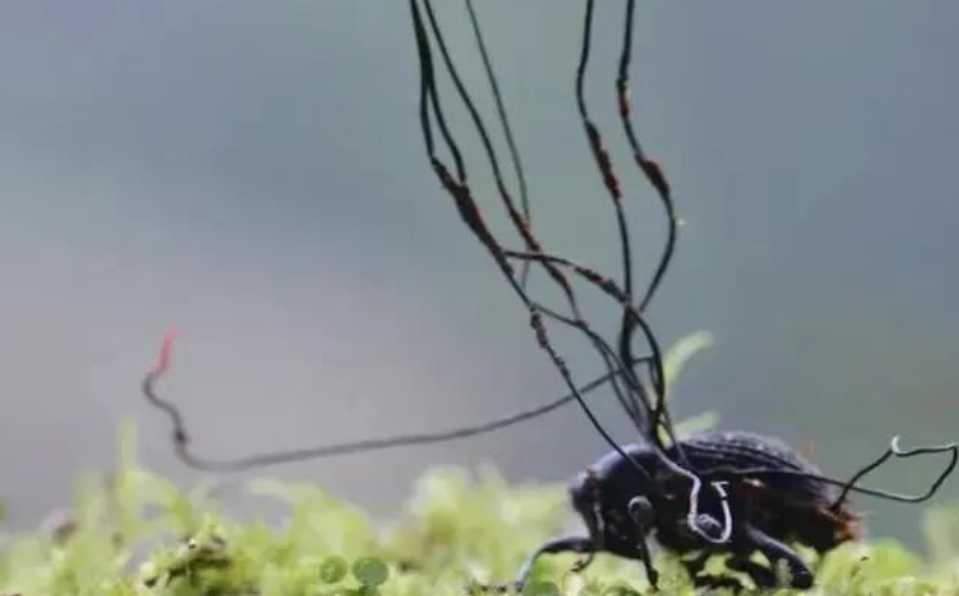
When a beetle is infected by the cordyceps fungus, the following process occurs:
Spore attachment and invasion: The spores of the cordyceps fungus adhere to the beetle's body and germinate. The fungal filaments then penetrate the beetle's exoskeleton and enter its body.