Euphyllodromia sp.: Central America's Colorful Cockroach Mimics Bees with Dazzling Deception


Insect Information
Euphyllodromia sp.: Central America's Colorful Cockroach Mimics Bees with Dazzling Deception

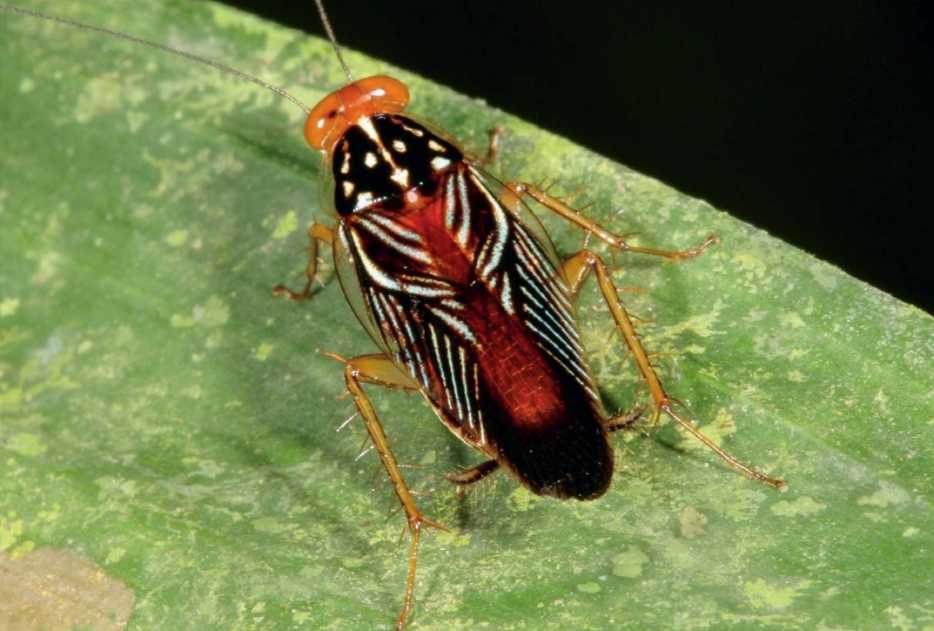
While cockroaches are typically associated with drab black or brown tones, Euphyllodromia sp. from Central America shatters this stereotype with its vibrant appearance and remarkable mimicry. This tropical cockroach has evolved to resemble local bees, boasting bold yellow and black patterns on its pronotum and wings—a design that stands as a masterclass in Batesian mimicry.


The insect’s coloration is only part of its ruse: when alarmed, Euphyllodromia sp. imitates the frenetic, rapid movements of bees, darting through foliage with erratic flight patterns. This behavioral mimicry, combined with its bee-like look, helps deter predators that associate bright yellow-and-black markings with stingers and aggression. By thriving in environments where bees are common, the cockroach capitalizes on predators’ learned avoidance, ensuring its survival.


Native to rainforests and gardens across Central America, Euphyllodromia sp. feeds on organic matter and plant detritus, playing a quiet role in ecosystem health. Yet its most striking trait remains its ability to masquerade as a stinging insect. Entomologists note that this mimicry extends to wing structure and posture, with the cockroach holding its appendages in ways that enhance the illusion. For observers, spotting this colorful cockroach in flight is a jarring reminder: in nature, even the most underestimated species can evolve into masterful deceivers, blending beauty with biological ingenuity.

Latest Stories
Sports News1 minute readThe Icelandic National Olympic Committee (NOC) has announced a €128,000 funding package to cover costs for 285 young athletes representing national teams between January and March. The initiative is part of a broader high-performance sports program approved in late 2023, aiming to boost youth athlete development.
Feline News2 minute readThe Tennessee Rex, a captivating curly-coated feline with a shimmering satin finish, has emerged as one of the most intriguing new cat breeds of the 21st century. Originating from a spontaneous genetic mutation in a litter of domestic shorthairs discovered in Chattanooga, Tennessee, in 2004, this breed has quickly gained recognition for its unique appearance and gentle temperament .
Industry News1 minute readThe U.S. Federal Communications Commission (FCC) announced plans on July 16 to introduce new rules, fully prohibiting any submarine communication cables containing Chinese technology or equipment from connecting to U.S. networks.
Sports News1 minute readThe Athletics Integrity Unit (AIU) released its annual report on Monday, showing an escalation in its work. The body handled 100 international-level cases in 2024, with a key focus on the Olympic Games—97% of finalists underwent pre-competition testing.
Sports News1 minute readThe European Court of Human Rights (ECHR) Grand Chamber ruled Thursday that the Court of Arbitration for Sport (CAS) claimed a significant victory, while South African double Olympic 800m champion Caster Semenya achieved a minor win in her long-running legal battle. The "Semenya v Switzerland" case centers on Semenya’s challenge to World Athletics’ rules on athletes with Differences of Sexual Development (DSD).
Feline News1 minute readNICOSIA, Cyprus – Roaming freely through the streets, ancient ruins, and coastal villages of Cyprus, a distinctive feline with amber or tabby coats has become an iconic symbol of the island. These are Cyprus cats, often hailed as "living fossils" and cherished as a unique part of the Mediterranean nation’s heritage.
Entertainment News1 minute readCandice Swanepoel, the South African supermodel, ranks among the world’s sexiest women—securing the sixth spot on major beauty rankings and cementing her status as a global symbol of allure.