Germany’s Elite Sports Faces New Definition of Success: Balancing Medals with Social Value


Sports News
Germany’s Elite Sports Faces New Definition of Success: Balancing Medals with Social Value

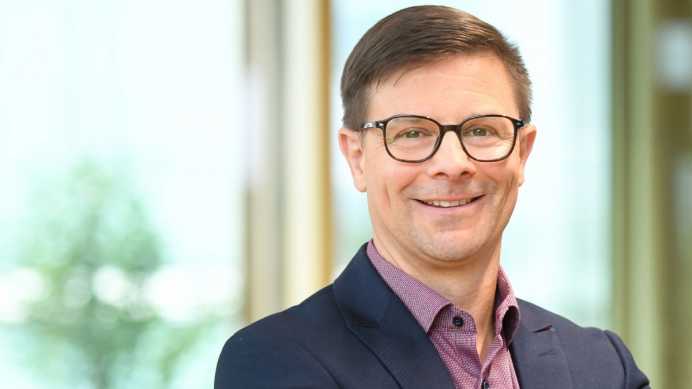
Olaf Tabor, Head of Elite Sports at the German Olympic Sports Confederation (DOSB), stated, “We want clean, safe sports that benefit our people while fostering top-level athletic performance.” For Tabor, the challenge lies in aligning sports and social goals without neglecting international aspirations: “We’re talking about sports that succeed globally—benefiting both organized sports activities and society.”


The study also reveals a shifting definition of success. While 92% of respondents still see personal bests and victories as key metrics, there is broad recognition of athletes who excel without winning medals—such as those returning from injuries or parental leave. Eighty-one percent value athletes who raise awareness of their sport, and 69% view post-break comebacks as a form of success.


Maximilian Klein, Deputy Managing Director of Athleten Deutschland, believes these findings call for a new strategic framework for Germany’s elite sports. “Society has diverse expectations for high-level sports. The key question now is: which sports and social goals should be pursued with public funds, and how to achieve them effectively.”


This shift reflects a growing emphasis on “holistic success” in German sports—one that honors athletic achievement but also values resilience, social contribution, and inclusivity. As the country rethinks its model, the focus is increasingly on creating a system where sports thrive not just on podiums, but as a force for broader societal good.

Latest Stories
Sports News1 minute readItalian prosecutors are investigating alleged corruption in construction tenders linked to the country’s upcoming Winter Olympics. The Olympic Village is a key focus, with raids, arrests, and cash seizures sparking public concern—less than seven months before the Games open.
Feline News1 minute readIn the sun-kissed landscapes of California, a feline breed stands out for its striking appearance and unique legacy – the California Spangled Cat. Developed in the 1980s by Paul Casey, a Hollywood scriptwriter and cat enthusiast, this breed was crafted to resemble wild cats like leopards, aiming to raise awareness about endangered big cats while offering a domestic companion with a wild allure.
Cultural News1 minute readThe world’s largest padlock, certified by Guinness World Records, was crafted by 师生 from Russia’s Pavlovo Art College. It measures 56.8 inches in height, 41.3 inches in width, and 10.2 inches in thickness, with its key included in the total weight of 916 pounds.
Sports News1 minute readSports emerged as a key focus at the 4th International Development Finance Conference, where International Olympic Committee (IOC) Member HRH Prince Feisal Al Hussein emphasized that sports are far more than a form of entertainment—they act as a powerful tool for economic and social transformation.
Feline News1 minute readIn recent days, a cat named Marguerite has quietly risen to fame in a suburban community. The 3-year-old orange-and-white feline, once a street stray, has now become a "heartwarming bond" connecting neighbors.
Entertainment News1 minute readSalma Hayek’s journey to becoming a global beauty began with small, intentional touches—her grandmother tended to her eyelashes and hair from childhood, nurturing the allure that would later define her. She left college to pursue acting, a bold choice that set her on a path to stardom.
Industry News1 minute readForeign media reported on July 15 that the European Commission has formally withdrawn its plan to impose a digital tax on major tech companies during the latest budget negotiations. The decision is seen as a key compromise in EU-U.S. trade talks, temporarily relieving U.S. tech giants like Apple and Meta from heavy tax pressures, while the EU paves the way for broader trade agreements by adjusting its fiscal strategy.