The Galamaso Gecko: Nature’s Elusive Tree-Dweller with Spectacular Dermal Flaps


Insect Information
The Galamaso Gecko: Nature’s Elusive Tree-Dweller with Spectacular Dermal Flaps

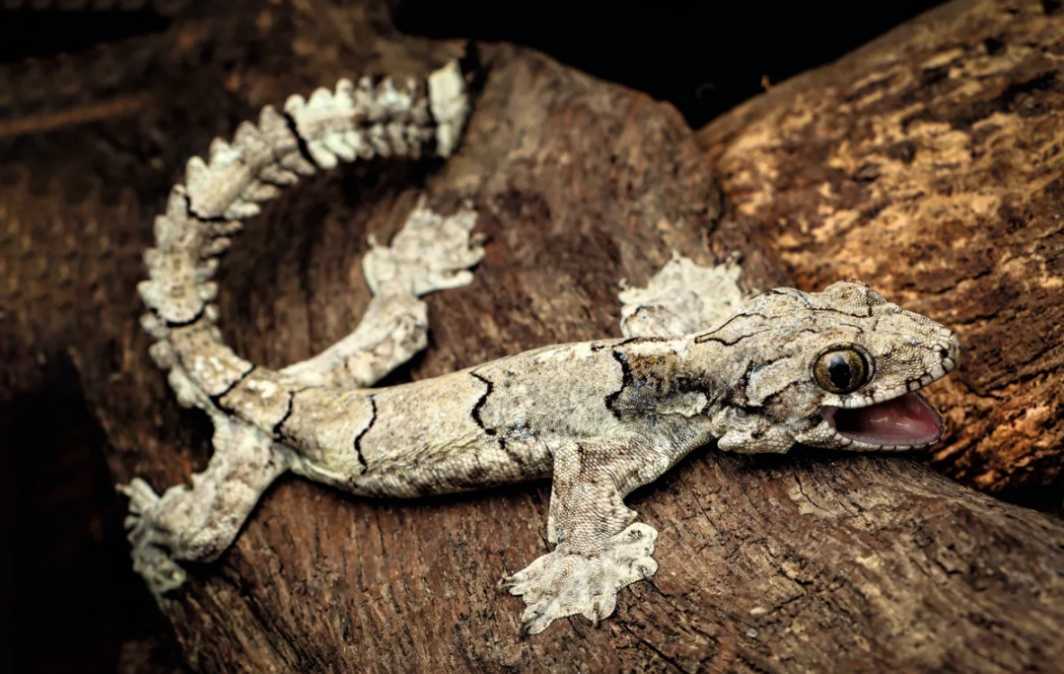
The Galamaso gecko, a nocturnal arboreal lizard, captivates herpetologists with its most distinctive feature: large dermal flaps encircling the head, trunk, limbs, and tail. Native to the dense rainforests of Southeast Asia, this elusive reptile has evolved remarkable adaptations to thrive in its canopy habitat, using its fringed appendages for both camouflage and survival in the forest’s vertical world.


Anatomy of a Canopy Specialist: Flaps and Functional Beauty

The gecko’s dermal flaps are thin, membrane-like extensions of skin supported by bony processes, creating a fringed silhouette that mimics falling leaves or tree bark when stationary. These flaps serve a dual purpose:


  • Camouflage: When pressed against tree trunks, the flaps break up the gecko’s outline, making it nearly invisible to predators like birds and snakes.
  • Aerial Maneuvers: Though not capable of true flight, the gecko can flatten its flaps to glide short distances between trees, escaping threats or moving between foraging sites.


Growing up to 25 cm in length, the Galamaso gecko has large, vertical pupils for night vision and toe pads covered in setae, allowing it to cling to smooth bark. Its coloration ranges from mottled brown to mossy green, further enhancing its disguise among foliage.

Nocturnal Lifestyle and Ecological Role

Active exclusively at night, the gecko hunts insects and small invertebrates, using its acute sense of smell and vision to locate prey. During the day, it rests in tree hollows or beneath exfoliating bark, tucking its flaps close to the body. Breeding behaviors remain poorly documented, though researchers suspect females lay clutches of 1–2 eggs in protected crevices.


While not currently endangered, the Galamaso gecko faces threats from deforestation and habitat fragmentation. Its reliance on intact rainforest canopies makes it a flagship species for tropical forest conservation. Scientists continue to study its unique morphology, hoping to gain insights into arboreal adaptation and inspire innovations in material science—from camouflage technology to climbing robotics.


In the shadowy heights of Southeast Asia’s forests, the Galamaso gecko stands as a testament to nature’s ability to craft both beauty and function. Its fringed form reminds humanity of the countless undiscovered wonders in Earth’s rainforests—creatures whose survival hinges on the delicate balance between adaptation and environmental preservation.

Latest Stories
Sports News1 minute readThe Icelandic National Olympic Committee (NOC) has announced a €128,000 funding package to cover costs for 285 young athletes representing national teams between January and March. The initiative is part of a broader high-performance sports program approved in late 2023, aiming to boost youth athlete development.
Feline News2 minute readThe Tennessee Rex, a captivating curly-coated feline with a shimmering satin finish, has emerged as one of the most intriguing new cat breeds of the 21st century. Originating from a spontaneous genetic mutation in a litter of domestic shorthairs discovered in Chattanooga, Tennessee, in 2004, this breed has quickly gained recognition for its unique appearance and gentle temperament .
Industry News1 minute readThe U.S. Federal Communications Commission (FCC) announced plans on July 16 to introduce new rules, fully prohibiting any submarine communication cables containing Chinese technology or equipment from connecting to U.S. networks.
Sports News1 minute readThe Athletics Integrity Unit (AIU) released its annual report on Monday, showing an escalation in its work. The body handled 100 international-level cases in 2024, with a key focus on the Olympic Games—97% of finalists underwent pre-competition testing.
Sports News1 minute readThe European Court of Human Rights (ECHR) Grand Chamber ruled Thursday that the Court of Arbitration for Sport (CAS) claimed a significant victory, while South African double Olympic 800m champion Caster Semenya achieved a minor win in her long-running legal battle. The "Semenya v Switzerland" case centers on Semenya’s challenge to World Athletics’ rules on athletes with Differences of Sexual Development (DSD).
Feline News1 minute readNICOSIA, Cyprus – Roaming freely through the streets, ancient ruins, and coastal villages of Cyprus, a distinctive feline with amber or tabby coats has become an iconic symbol of the island. These are Cyprus cats, often hailed as "living fossils" and cherished as a unique part of the Mediterranean nation’s heritage.
Entertainment News1 minute readCandice Swanepoel, the South African supermodel, ranks among the world’s sexiest women—securing the sixth spot on major beauty rankings and cementing her status as a global symbol of allure.